
23 February 2026
5 things to know before your first ANZAC Day
Every ANZAC Day (25 April), Australians and New Zealanders pause to honour the efforts of all who have served in our nations’ defence.
Here in Australia, many businesses close, while memorial services, marches and other commemorative events take place around the country.
For those who aren’t familiar with ANZAC Day, here are five things you should know.
1. ANZAC Day is our most significant day of commemoration
ANZAC Day (25 April) is Australia’s and New Zealand’s most significant day of commemoration. It’s comparable to Armed Forces Day in the UK or Veterans Day in the US.
The day marks the anniversary of the landing at Gallipoli, Türkiye in 1915 – the first major action involving Australian and New Zealand forces during World War I (WWI).
Throughout the war, both nations suffered devastating casualties. It's estimated that one in two Australian families lost a husband, son, brother, uncle, cousin or friend. Meanwhile, nearly every New Zealand family was affected by the war in some way.
These losses cemented the importance of ANZAC Day, which now recognises all Australians and New Zealanders who have served or died in military operations since WWI began.
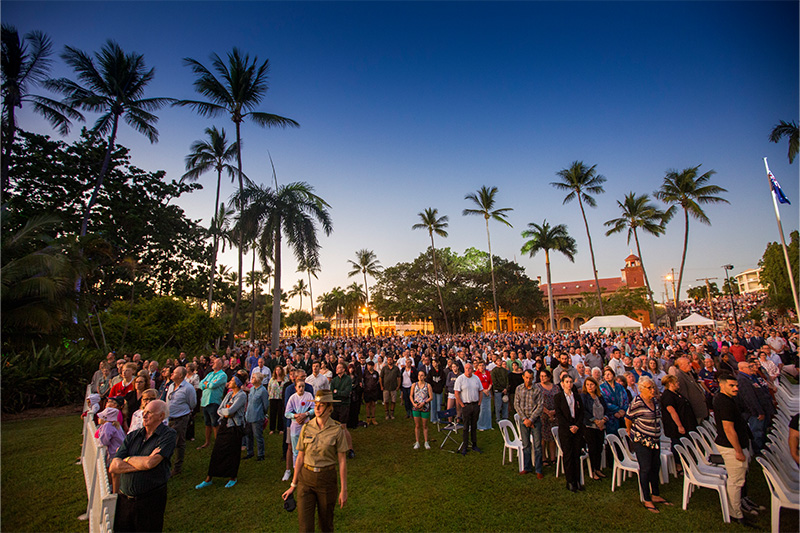
A large crowd of attendees at the 2024 ANZAC Day Dawn Service in Townsville, Queensland. Image credit: Troy Rodgers
2. The ANZACs helped shape Australia’s identity
‘ANZAC’ stands for Australian and New Zealand Army Corps – a military division that first formed in WWI and briefly reformed in WWII.
The ANZAC is best known for its role in the Gallipoli campaign of WWI – part of the Allied Powers’ strategy to remove the Ottoman Empire (one of the Central Powers) from the war.
While this campaign was ultimately unsuccessful, ANZAC soldiers (better known as ‘ANZACs’) forged a reputation for courage, endurance, ingenuity, mateship and good humour (i.e. friendliness or cheerfulness).
Together, these qualities are known as the ‘ANZAC spirit’, which many historians consider a significant influence on Australian culture and identity.
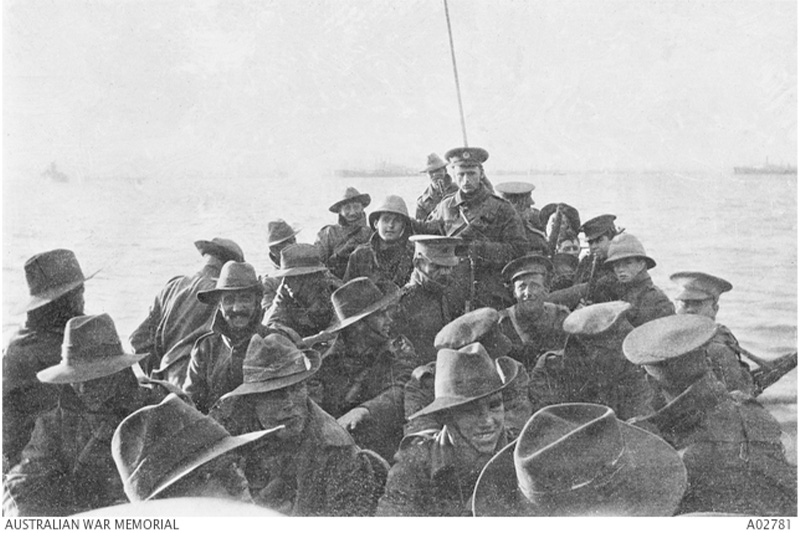
Image credit: Australian War Memorial
3. Trading restrictions apply*, so plan accordingly
ANZAC Day is observed throughout Australia on 25 April. In most states and territories, ANZAC Day is always a public holiday. In some states or territories, a substitute or additional public holiday in lieu may be observed during the week if ANZAC Day falls on a Saturday or Sunday.
On 25 April itself, trading restrictions apply in each state (*but not the ACT or Northern Territory), so be aware that many businesses are closed in the morning or altogether on ANZAC Day.
For more details on ANZAC Day trading hours, visit Australian Retailers Association.

Image credit: Tim Mossholder
4. ANZAC Day is for the whole community
Contrary to mistaken belief, ANZAC Day isn’t just for those who’ve served, or those with family connections to WWI or later military service. Nor is it just for Australian and New Zealand citizens.
All members of the community are welcome and encouraged to take part in ANZAC Day – whether that be attending a local service, march or other free public event.
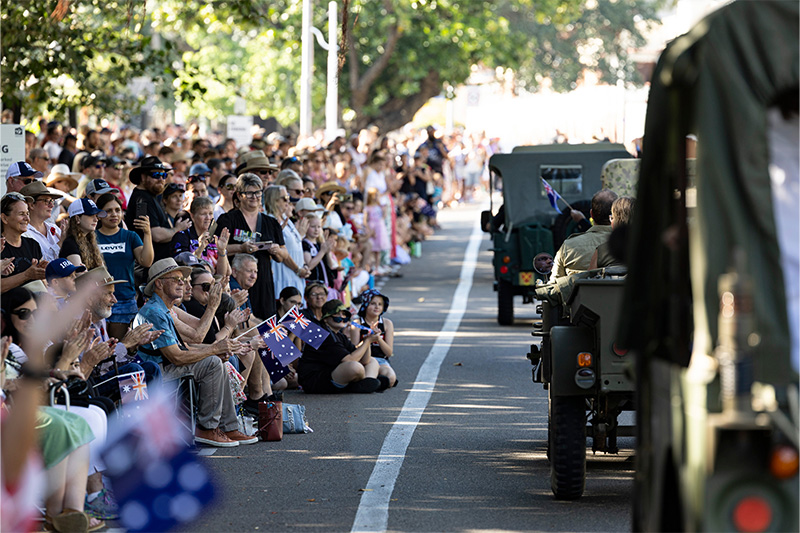
Members of the community wave to veterans as they march past during an ANZAC Day parade in Townsville, Queensland. Image credit: Department of Defence
5. There are many ways to commemorate
You can commemorate ANZAC Day in many ways, including:
ANZAC Day events
Across Australia, the Returned and Services League (RSL) hosts commemorative events that anyone can attend. Most are free, and some (like gunfire breakfasts or two-up games) may be held in exchange for a small donation.
Every community’s ANZAC Day events vary, but may include:
midnight services or vigils
Dawn Services
morning services (around 9am to 11am)
marches
afternoon services.

While commemorative services are rather solemn in tone, gunfire breakfasts and two-up are more social and upbeat, reflecting the mateship and good humour for which ANZAC soldiers were renowned.
For more info on each event, check out A first-timer’s guide to ANZAC Day. You can also find ANZAC Day events near you.
ANZAC Day customs
Along with commemorative events, other customs observed on ANZAC Day include:
wearing a sprig of rosemary – the traditional floral symbol of ANZAC Day (often sold for charity at RSL Sub Branches and other locations)
baking ANZAC biscuits
supporting the ANZAC Appeal or another veteran charity.
Each gesture is a small, simple way to recognise the service of veterans, current serving Defence members, and their families – past and present – who’ve made our way of life possible.
For more ideas, check out The many ways to commemorate ANZAC Day.
Let’s show the ANZAC spirit lives here.
ANZAC Day is more than simply a date on the calendar.
It’s a time for Australians and New Zealanders to come together and honour the courage, sacrifice and mateship of all who have served.
It’s a call to carry those values forward every day, and a reminder of just how lucky and grateful we are.
So, whether you join a Dawn Service, pause at home in quiet reflection, or share stories with family and friends, your participation matters. Every action, big or small, honours the ANZACs and shows us that the ANZAC spirit lives here.
This ANZAC Day
ANZAC Day (25 April) is a time to recognise all who have served our nation, and their invaluable legacy.
Wherever you’ll be on ANZAC Day, please join the community in attending a commemorative service.
There’s no greater way to honour those who have served.