
Postcards of Honour
Connecting through commemoration
Postcards of Honour is a creative ANZAC Day learning and commemoration activity for primary school students.
Throughout Australia’s military history, postcards and letters have offered vital support and connection to those serving in the military.
In the same way, Postcards of Honour provides each veteran with a personal and tangible token of recognition, while also encouraging each child’s unique creative expression.
The activity allows children to learn about the importance of ANZAC Day and write and decorate a postcard acknowledging a local veteran for their service.
All Postcards of Honour will be distributed to veterans by RSL Sub Branches, building connections within communities and across generations.
How to take part
This activity is designed to be flexible and encourage children’s artistic and writing skills. You’re free to adapt the activity for different age/s and required learning outcomes.
Part 1: Art
Encourage the kids to get creative! Use whatever style or materials you prefer: paint, coloured pencils, collage.
Children can draw/create whatever they like, but we’ve included some idea prompts in the activity booklets provided.
Part 2: Writing
This part of the activity allows children to practise their handwriting or compose a letter.
Suggestions:
Write a short note such as ‘Thank you for your service’.
Share personal or family stories about ANZAC Day or military service.
Reflect on what ANZAC Day means to them.
For teachers
Participating schools will receive the following to help students create their own postcard:
a visit from a veteran – their local RSL Sub Branch representative – who will speak to students about ANZAC Day, then return for a show-and-tell (on agreed dates) once the postcards are completed.
A Postcards of Honour pack containing:
information/activity booklets (each with sketchpad section)
postcards (with space to draw on the front and write on the back).
We recommend giving students one postcard and booklet each.
For privacy reasons: No recipient address is provided, but each postcard will be given by RSL Sub Branches to veterans in the community. Sender details can be limited to first name, age and (if desired) school.
Activity resources
Extra resources
In World War I, the spirit of courage, sacrifice and mateship came to define troops of the Australian and New Zealand Army Corps (ANZAC). That same spirit came to shape, and continues to inspire, our nations more than 110 years later.
While ANZAC Day began to recognise those who served in WWI, it’s grown to mean much more. It’s a call to carry the immutable values of the ANZAC spirit – courage, sacrifice and mateship – forward every day. And it’s an important reminder of just how lucky and grateful we are.
Here are some optional extra resources to expand children’s learning.


The ANZAC spirit
‘ANZAC’ stands for Australian and New Zealand Army Corps – a group of soldiers who fought in World War I.
People say the ANZACs showed many great qualities:
Endurance – Not giving up, even in bad times
Courage – Bravery
Ingenuity – Cleverness at solving problems
Good humour – Cheerfulness
Mateship – Fairness, loyalty and friendship
Together, these make up the ANZAC spirit. They set an example that many Australians, especially service people, try to follow.
The meaning of service
Australia’s Defence Force (Navy, Army and Air Force) are made up of many different people with many different jobs.
They help each other to keep Australia, and other countries, safe. Along with soldiers and pilots, there are doctors, mechanics, builders and many more.
Someone who works (‘serves’) in the Defence Force is called a ‘service person’.
A ‘veteran’ is someone who is, or used to be, a service person.
Stories of service
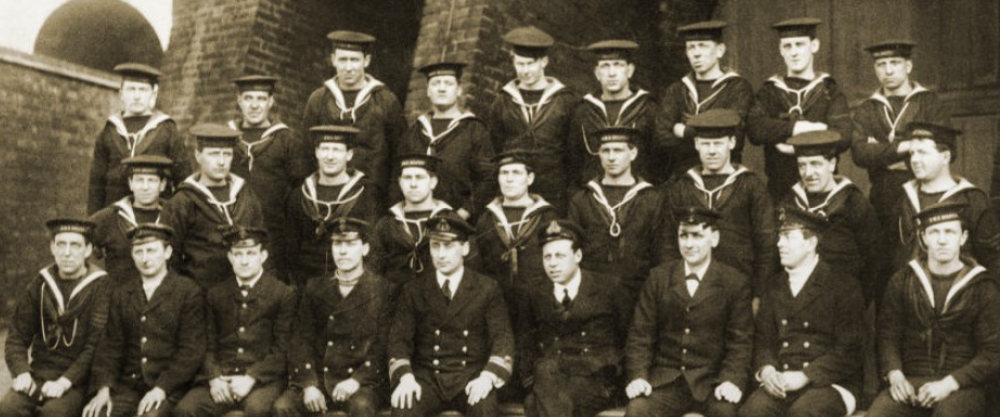
John Harrison Wheat
Royal Australian Navy
John Harrison Wheat joined the Navy when he was 16. He served in World War I as an Able Seaman on one of Australia’s first submarines. The submarine was sunk by enemy forces in 1915. John was taken prisoner for three years and forced to build a train track.
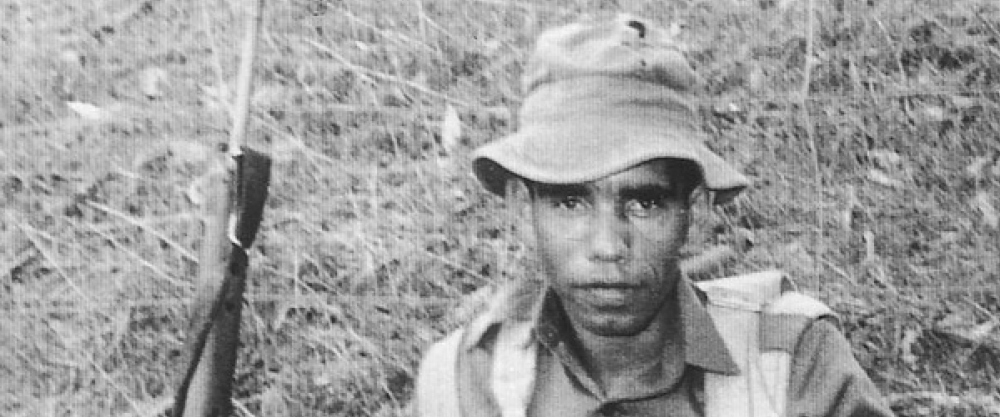
Claude Malone
Australian Army
Claude Malone joined the Army when he left school. He served as a combat engineer (‘sapper’) in the Vietnam War in 1971. Claude had to do dangerous work like clearing landmines and defusing bombs. He was exposed to chemicals that still give him health problems today.
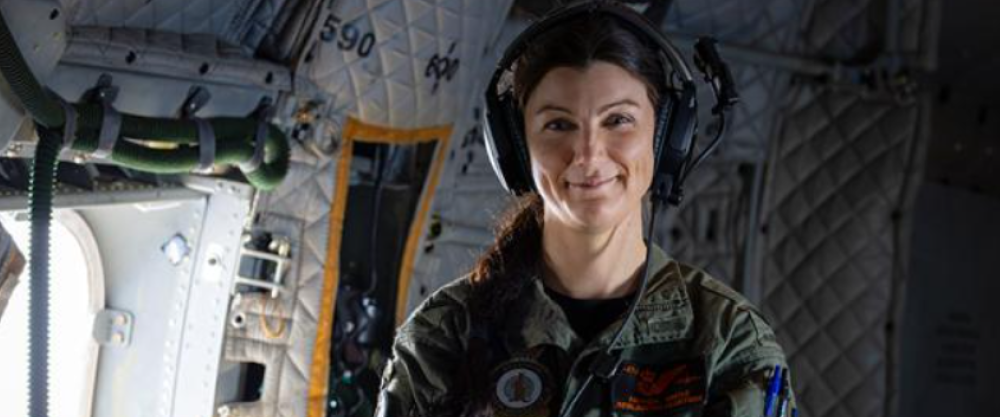
Amanda Wintle
Royal Australian Air Force
Amanda is a loadmaster in the Air Force. She has worked on many missions in Australia and across the Pacific. Her job is to help make planes safe and balanced, and keep watch over the land and sea.